OpenAI just got into the media business.
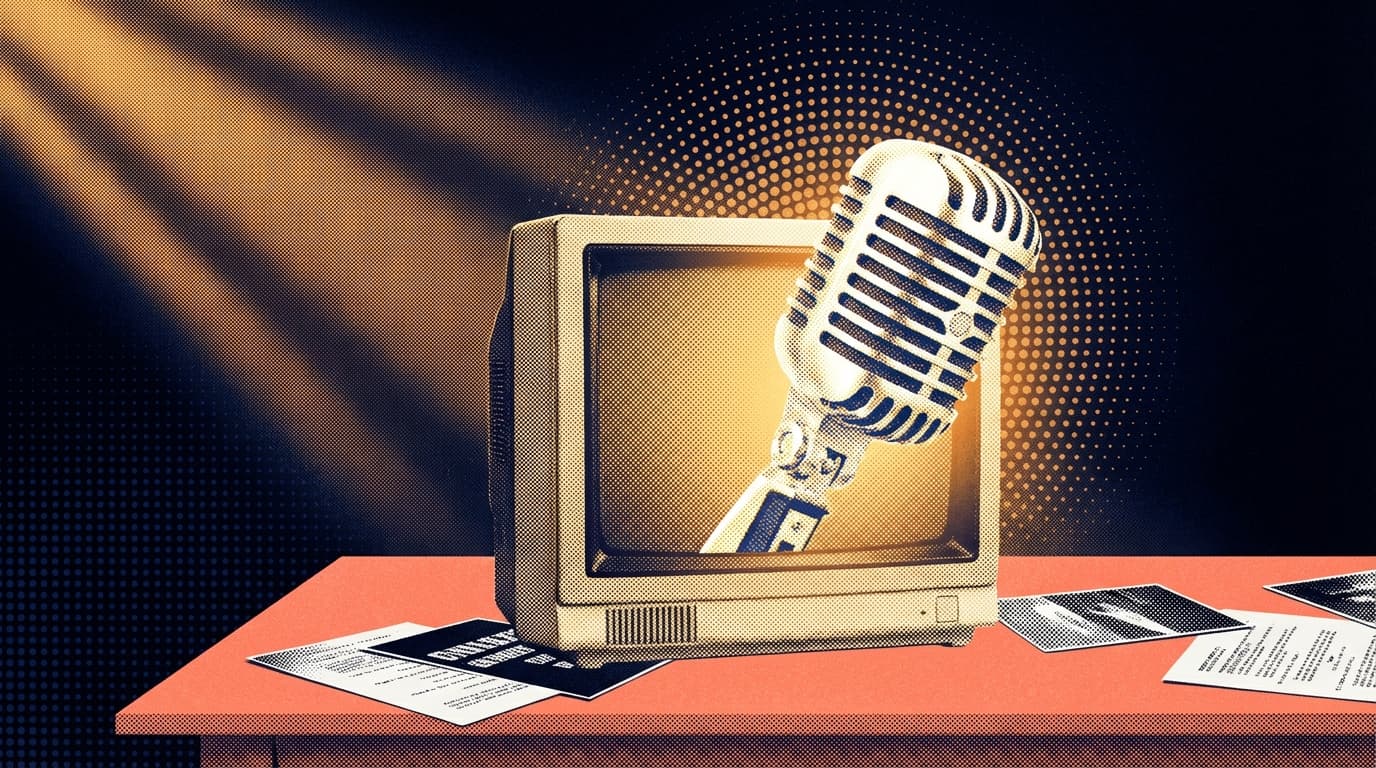
On Thursday, the company acquired TBPN, a daily streaming tech talk show that's built a following among founders, operators and tech workers. The show averages about 70,000 viewers per episode across platforms. It's the first time a major AI lab has bought a media property outright.
Fidji Simo, one of OpenAI's top executives, shared in an internal company memo that "the standard communications playbook just doesn't apply to us." The goal, she said, is to "create a space for real, constructive conversation about the changes A.I. creates — with builders and people using the technology at the center."
This didn't come out of nowhere. OpenAI has had a rough stretch with public messaging. The company shut down Sora after its AI video tool never found its footing, dealt with backlash when a GPT-4o update came across as sycophantic, and has built up what Forbes cataloged as a growing list of dead products and unfinished deals. Altman himself acknowledged the company will "make some good decisions and some missteps."
A show like TBPN offers something blog posts and press releases can't: a recurring platform where OpenAI gets to pick the guests, set the tone and shape how people think about AI, week after week. With a $122 billion funding round freshly closed — the largest in history — the company has the resources to make the play.
OpenAI isn't just a company that ships products, though. It builds the models that increasingly shape how people find and process information online. A field experiment from the National Bureau of Economic Research found that generative AI tools can meaningfully shift users' news consumption and their perceptions of trustworthiness. Owning TBPN adds a media channel on top of that influence — one with a human face and a live audience.

OpenAI has spent the past year watching journalists, regulators and Anthropic shape the public story about AI and clearly decided it'd rather hold the microphone itself. The gamble is that audiences won't notice the difference between an independent tech show and a corporate one with better lighting. They will. Trust in AI companies has been falling for years, dropping from 61% in 2019 to 56% as of 2025 according to Edelman. If TBPN stays editorially independent, it could genuinely help OpenAI — but if it starts feeling like a company newsletter with a studio audience, it'll do more damage than any bad press cycle could.