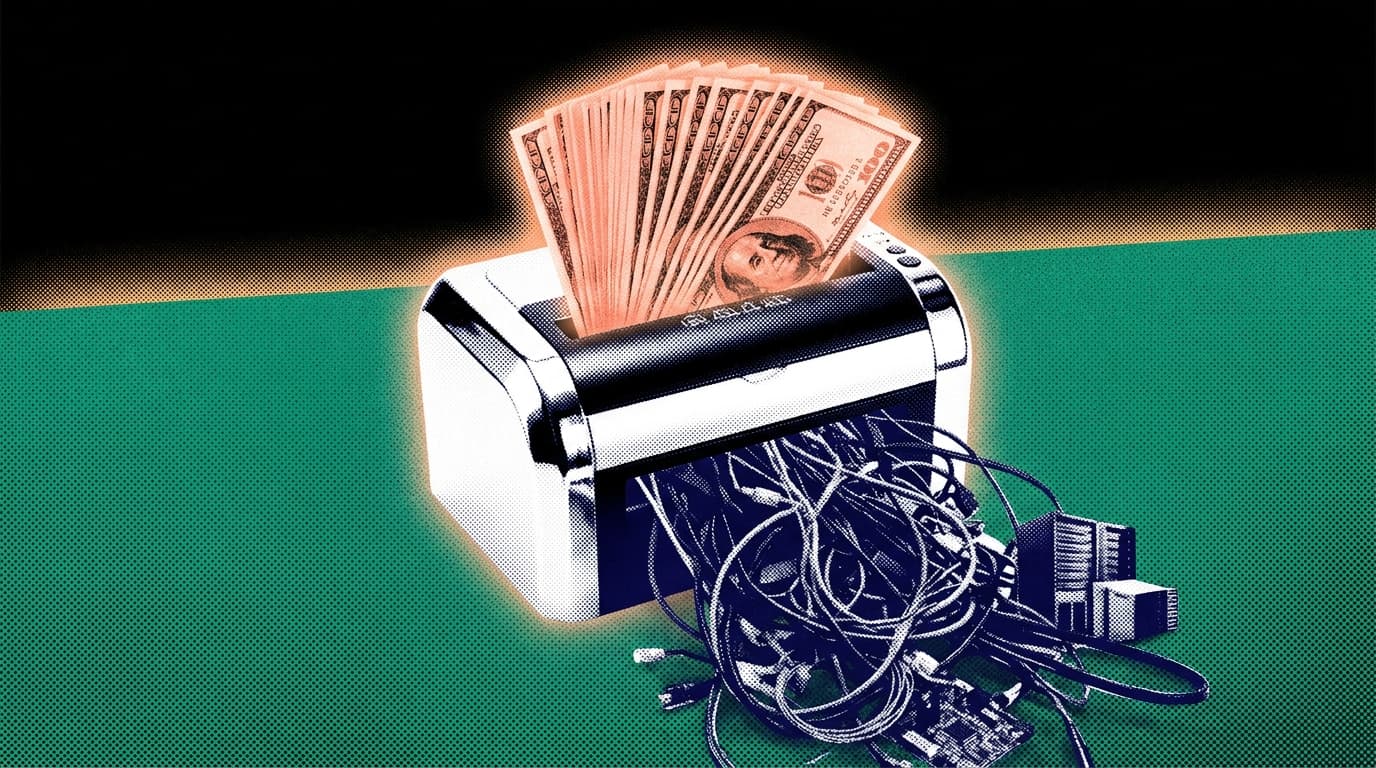
OpenAI brings in $2 billion a month in revenue. It's still not close to breaking even.
The company said it now has 900 million weekly active users, over 50 million paying subscribers, and an enterprise business that accounts for more than 40% of revenue. It recently closed $122 billion in funding at an $852 billion valuation, the largest private fundraise in history. By any normal startup measure, OpenAI is a juggernaut.
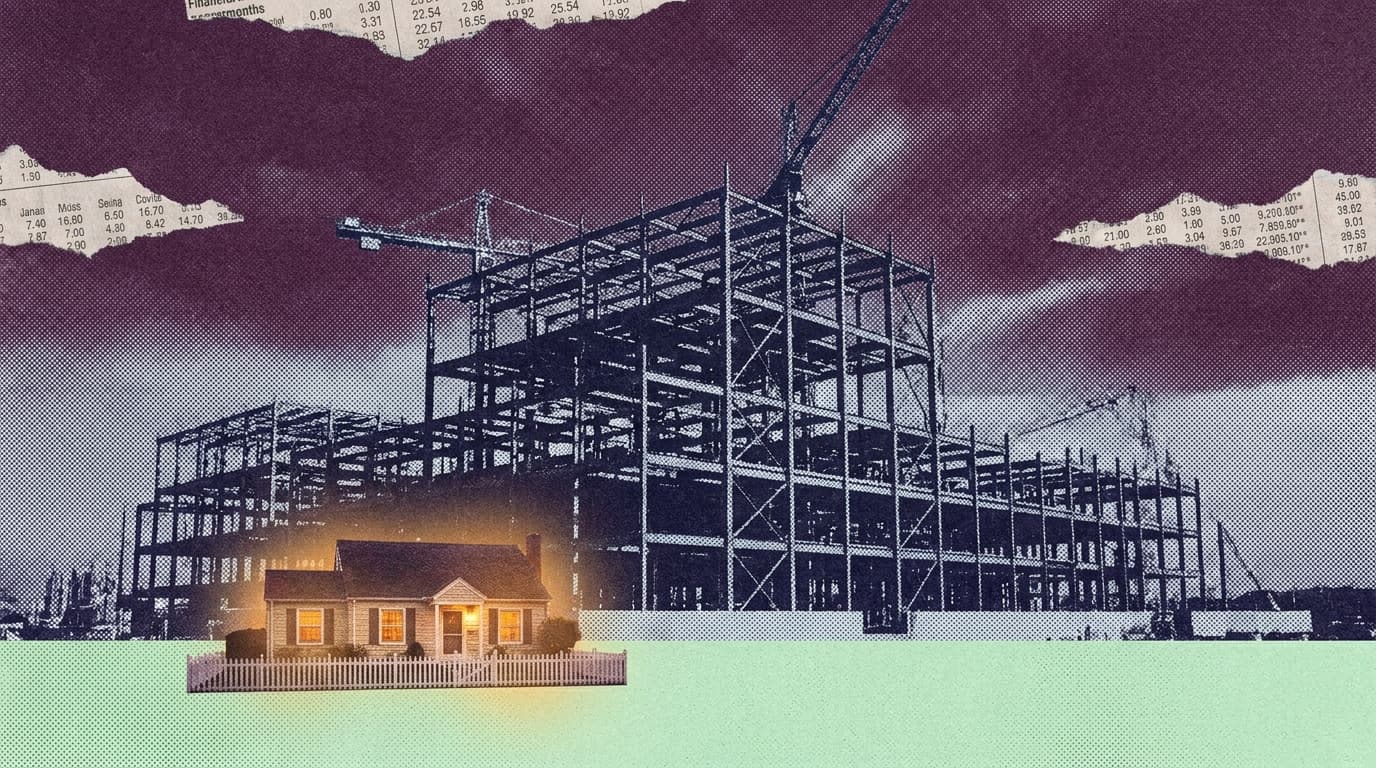
The spending tells a different story. HSBC analysts project OpenAI's total infrastructure costs will hit roughly $792 billion through 2030, with a cumulative funding gap of about $207 billion even after expected revenue. If OpenAI doubles its number of paying users, the gap only drops by half.
Those costs come from infrastructure deals that keep getting bigger. The company just signed a $50 billion partnership with Amazon that expands an existing AWS agreement by $100 billion over eight years and commits OpenAI to consuming 2 gigawatts of power. That's layered on top of existing arrangements with Microsoft, Oracle, CoreWeave, Google Cloud, and custom chip deals with NVIDIA and Broadcom. "No startup in history has operated with losses on anything approaching this scale," Deutsche Bank analysts wrote in a recent report.
OpenAI's backers say the math works if you give it time. Ethan Choi, an OpenAI investor at Khosla Ventures, has argued that most of the infrastructure costs will be shouldered by partners building the actual data centers, and that OpenAI's projected compute capacity could eventually generate $140 billion a year in revenue.
Not everyone is willing to wait. Some of OpenAI's own investors are hedging by writing larger checks to Anthropic. Roy Luo, a partner at Iconiq Capital, which put over $1 billion into Anthropic while holding a smaller OpenAI stake, told the Financial Times: "There's room for both, but there is fundamentally a number one and a number two dynamic, and the number one will win disproportionately. We picked."
Anthropic is an easy alternative to get excited about. The company has reportedly turned down funding offers valuing it above $800 billion, hasn't made anywhere near the same infrastructure commitments, and is growing enterprise revenue fast. Where OpenAI needs the AI revolution to arrive on schedule, Anthropic is running leaner and letting the revenue catch up.
The pressure is showing internally, too. OpenAI's CFO Sarah Friar has reportedly told colleagues she doesn't believe the company will be ready for an IPO in 2026, citing spending risks and organizational gaps. When investor Brad Gerstner pressed Altman last fall on how a company generating $13 billion a year could commit to $1.4 trillion in total spending, Altman was blunt: "If you want to sell your shares, I'll find you a buyer. Enough."

Altman has said openly that the AI industry will see booms and busts. The problem is that $792 billion in infrastructure commitments don't pause for a bust. If revenue scales the way OpenAI projects, this goes down as the boldest bet in tech history. If it takes even a couple years longer than planned, the math starts to break. The investors quietly moving money toward Anthropic aren't betting against OpenAI so much as betting that the company willing to spend less might be the one still standing when the correction Altman himself is predicting finally shows up.