
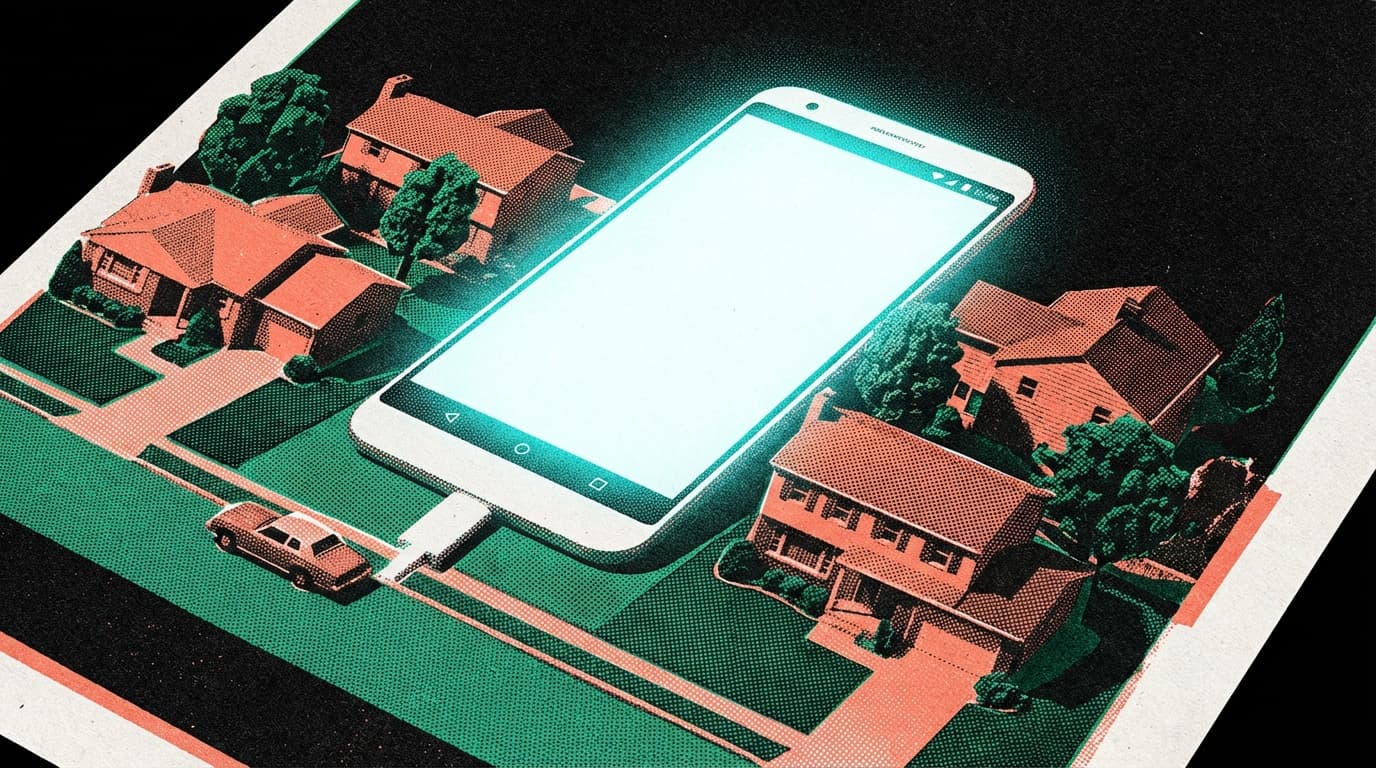
For a decade, your phone's voice assistant has been mostly useless for anything beyond setting a timer. Google just quietly changed that.
On Tuesday, Google announced that Gemini can now complete multi-step tasks inside third-party Android apps on your behalf. Book an Uber, place a DoorDash order, add a calendar event — all from a single prompt. The feature launches on the Samsung Galaxy S26 and Pixel 10.
"I refer to some of the tasks that you might want to have automated as sort of digital laundry — things that you know you need to do, but are not necessarily excited about finishing," Sameer Samat, president of the Android Ecosystem at Google, told WIRED.
If you're thinking "didn't Siri promise this years ago?", you're not wrong. As WIRED noted, a decade ago both Google and Apple claimed their voice assistants could handle tasks like requesting a ride. Try that with Siri today and you'll get a web search. Apple announced remarkably similar capabilities at its developer conference back in 2024. Those features have been delayed repeatedly and still haven't shipped.
Google's approach works differently from the old playbook. Rather than requiring custom-built integrations with every app, Gemini visually navigates apps the way you would — tapping buttons, filling fields, scrolling through options. It runs each app in a secure virtual window that can't access the rest of your phone, with the processing handled in the cloud. Think of it as Gemini getting its own tiny sealed-off screen within your screen, walled away from your photos, messages and everything else.
Crucially, Gemini doesn't actually press "buy." It prepares everything — fills the cart, picks the ride, queues the order — then sends a notification asking you to review and confirm. The human stays in the loop for the part that costs money.
"This is the first time we're doing this [on Android] with applications, and so getting this right is really important," Samat told WIRED.
On the device side, the Galaxy S26 pushes these features further with tighter Samsung integration. Charles Uptegrove, a product manager for Samsung's flagship devices, told CNBC that users can ask Gemini to find and add events directly to their calendar, pull summaries from YouTube videos and work across Samsung and Google apps.
The potential audience is enormous. Google says its AI features already reach more than 580 million Android devices through Circle to Search alone.
Still, there's reason for tempered expectations. Google's own AndroidWorld benchmark research found that the best autonomous Android agent it tested completed only about 31% of tasks successfully, compared to 80% for humans. That gap likely explains why Google is starting with just three task categories and keeping the confirmation step firmly in place.
Nabila Popal, senior director covering mobile phones at IDC, told CNN that "it makes complete sense for [phone makers] to focus on this, because that is where we are headed." Whether it's enough to make people buy a new phone is another question. Analysts note that most people still upgrade for better cameras, new colors and bigger screens — not software features.

Google has spent years announcing AI features that sounded great on stage and underwhelmed in your hand. What's different this time is the restraint. The sandbox, the confirmation step, the narrow launch categories — it all signals Google knows the cost of getting this wrong is higher than the cost of shipping slowly. The real question isn't whether Gemini can book you an Uber. It's whether it can do it reliably enough, across enough apps, that you stop thinking twice and just let it handle the digital laundry. If it can, Google will have finally delivered on a promise the entire industry has been making since 2014.