AI-generated video just crossed a line that Hollywood can't ignore — and this time, the tech came from China.
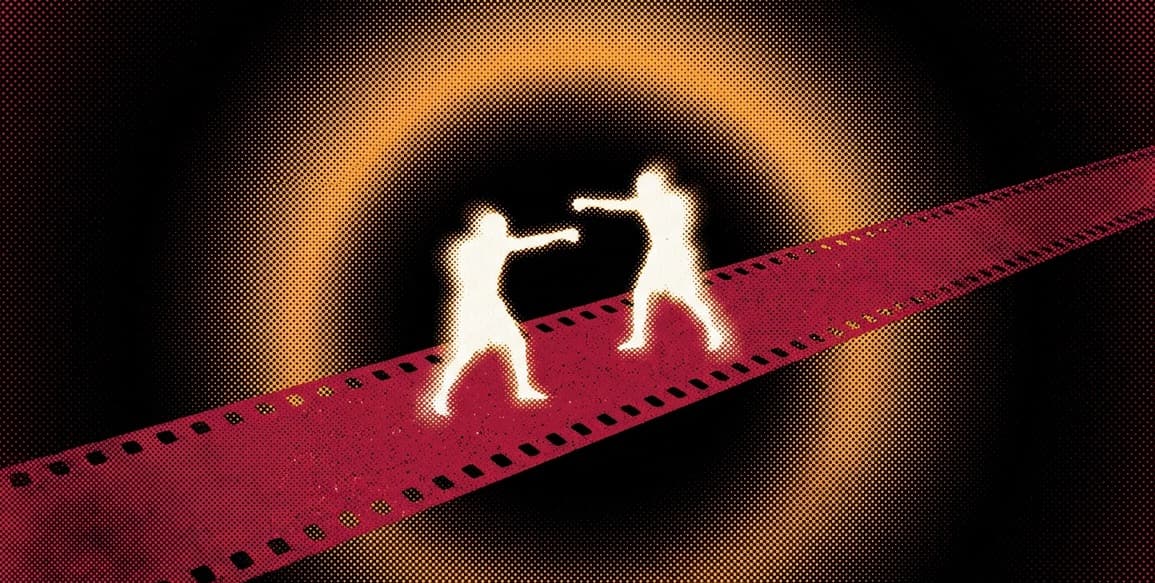
A viral clip generated by ByteDance's Seedance 2.0 AI video tool showing hyper-realistic depictions of Tom Cruise and Brad Pitt trading punches tore across social media last week, racking up millions of views and setting off alarm bells across the entertainment industry. Neither actor consented. Neither was compensated. And the quality was good enough to spook even veteran filmmakers.
"For all of us who work in the industry and devoted our careers and lives to it, I just think it's nothing short of terrifying," said Rhett Reese, the screenwriter behind the Deadpool franchise. "I could just see it costing jobs all over the place."
Seedance 2.0, which generates cinema-quality video with sound and dialogue from simple text prompts, didn't stop at action stars. Users quickly churned out clips featuring Spider-Man, Will Smith and other protected characters and public figures. Disney and Paramount fired off cease-and-desist letters within days.
ByteDance's response was measured but notably did not include taking the tool offline. A company spokesperson told the BBC that ByteDance "respects intellectual property rights and we have heard the concerns regarding Seedance 2.0," adding that it is "taking steps to strengthen current safeguards." Translation: we'll tweak the filters, but the tool stays up.
SAG-AFTRA, the actors' union that fought a 118-day strike in 2023 largely over AI protections, didn't mince words. "Seedance 2.0 disregards law, ethics, industry standards and basic principles of consent," the union said. "Responsible AI development demands responsibility, and that is nonexistent here."
The timing is particularly awkward — and revealing. Months before ByteDance's tool was generating fake movie stars without permission, OpenAI had announced a landmark licensing agreement with Disney to bring beloved characters into Sora and ChatGPT Images with authorization. "Disney is the global gold standard for storytelling," OpenAI CEO Sam Altman said in the announcement, framing the deal as proof that "AI companies and creative leaders can work together responsibly."
That contrast is the whole story in miniature. American AI companies are, however grudgingly, learning to play ball with content owners. Chinese platforms, operating under a different legal framework and far from the reach of Hollywood's lawyers, don't face the same pressure.
Dan Neely, CEO of AI consultancy Vermillio, told Axios the situation "feels like another DeepSeek and Sora 2 moment, where the real issue is not just model capability but who sets the default." In other words, the technology is no longer the bottleneck. The question is who writes the rules — and whether those rules can even be enforced across borders.
And that's the problem Hollywood hasn't solved. U.S. copyright law and right-of-publicity protections give studios and actors real legal tools domestically. But a cease-and-desist letter to a company headquartered in Beijing, operating servers in China, carries about as much weight as a sternly worded tweet. The Motion Picture Association is now calling for emergency action, though what that looks like in practice remains unclear.
Valley View
Hollywood's IP fight is no longer just about American AI labs that can be sued into licensing deals. It's about Chinese platforms that can build tools of staggering capability and release them to millions before a single lawyer picks up the phone. The OpenAI-Disney deal proves the consent-based model can work — but only when both parties are playing under the same rules. ByteDance will strengthen its filters just enough to quiet the noise. The next Seedance moment, though, is a matter of when, not if. And next time, the fake fight might not be between movie stars — it might be your CEO in a video you never authorized.